
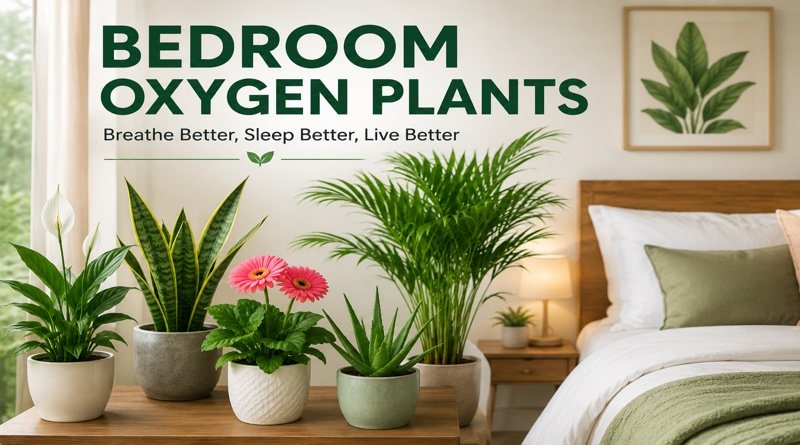
Bedroom Oxygen Plants for Better Sleep and Cleaner Air
Do you have trouble sleeping? You’re not all alone. A host of factors can get in the way of a good night’s sleep, from racing minds and pollutants to the blue-colored light from your phone. However, one thing that is often overlooked is bedroom greenery. The inclusion of the appropriate plants in the bedroom environment can make a huge impact on sleep, and their presence can impact daytime feelings, as well, according to the RHS.
Some plants purify the air. Others help to still your mind. And a few even release oxygen while you sleep. We’re going to explore some of the best bedroom oxygen plants to boost air quality, calm your nerves, and relax you. This is a great place to begin if you’re making an effort to create a healthier sleep environment.
Table of Contents
Bedroom Oxygen Plants
1. Snake Plant
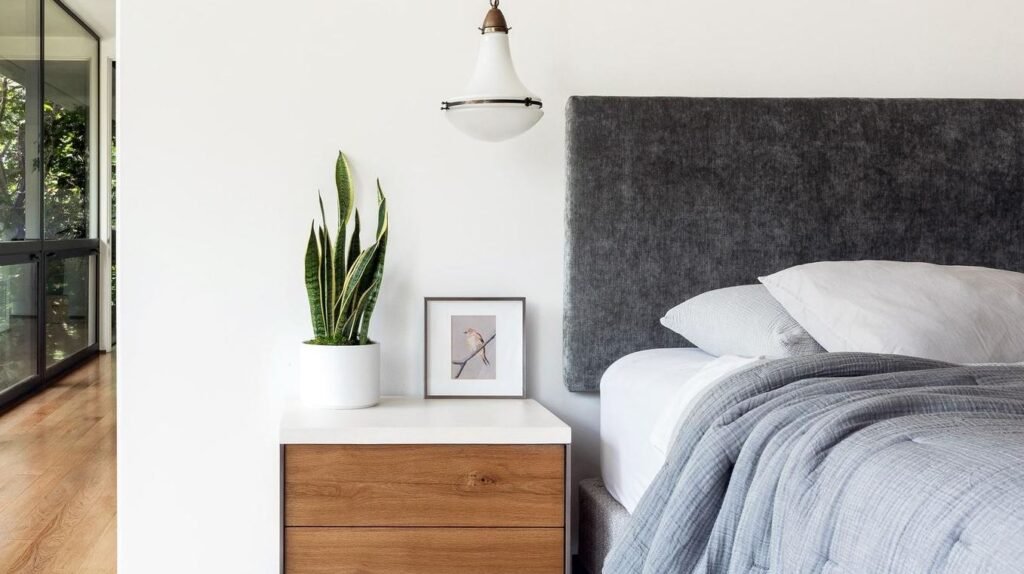
Snake Plant (Dracaena trifasciata) or Sansevieria zeylanica plant is one of the most frequent house plants that not only looks good but also benefits the air quality. They are purchased for decoration, as well as for their health benefits. The snake plant is an extremely resilient succulent that filters indoor air and converts carbon dioxide into oxygen at night. This garden plant is one of the best choices to enjoy in the bedroom or living room. One of the most widely used of the Detoxification bedroom oxygen plants.
2. English Ivy
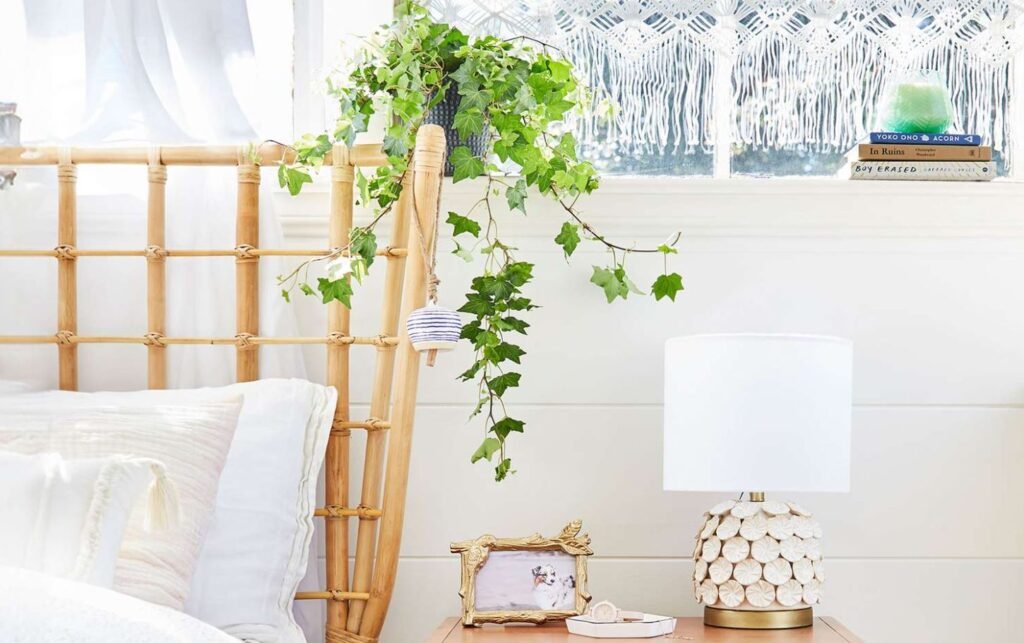
Leaves are shining green, and excellent trailing characteristics make English Ivy popular in beds, as a room species. Perfect for hanging baskets, raised edible planting areas vegetables and herbs in particular; it gives a new texture and fragrance to the space. In addition to being used as an ornamental plant, English Ivy can be beneficial as a plant used to purify the indoor air by absorbing water-permeable insecticides, ammonia and other chemicals, including formaldehyde. English Ivy might be toxic if eaten so always be conscious of placement and child and pet-proofing.
3. Areca Palm
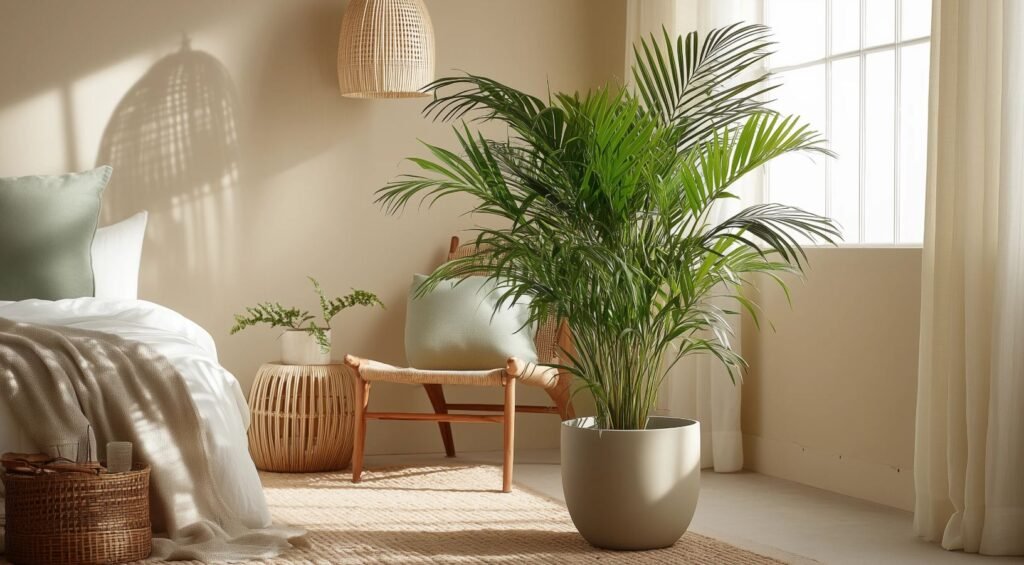
Areca Palm is one of the best bedroom oxygen plants to improve the air quality, enhance the level of oxygen, and control the humidity level in the house. During the day produces strong amounts of oxygen, and in the air conditioning season adds moisture to the air. Even its shape, which looks like a fern helps keep the house cleaner and healthier, as it also traps dust as well as particles in the air. This large, more indoor plant prefers hues of orange and pink, and will flourish in living rooms, an office or any other room with ample square footage.
4. Peace Lily
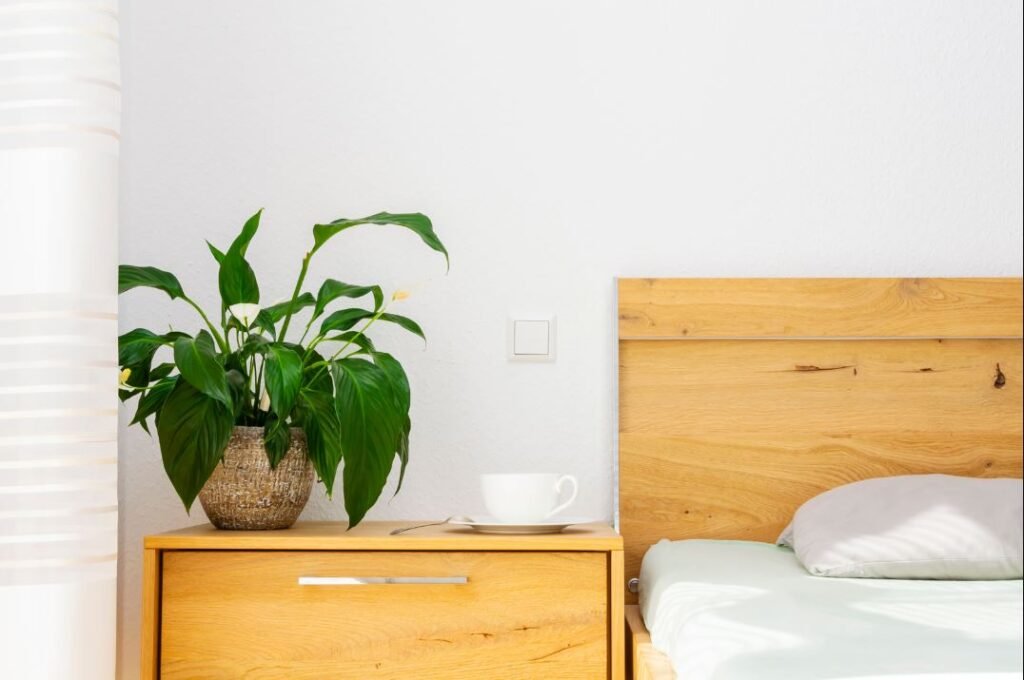
The gorgeous Peace Lily(Spathiphyllum) is a popular flower plant that flowers indoors. Pink Boas are known for their unique white flowers, and are among the best houseplants for eliminating pungent chemicals and cleaning up the air! They prevent the absorption of ‘toxins’ in the air into their leaves, thus down their roots and decompose them in the soil.
5. Aloe Vera Plant
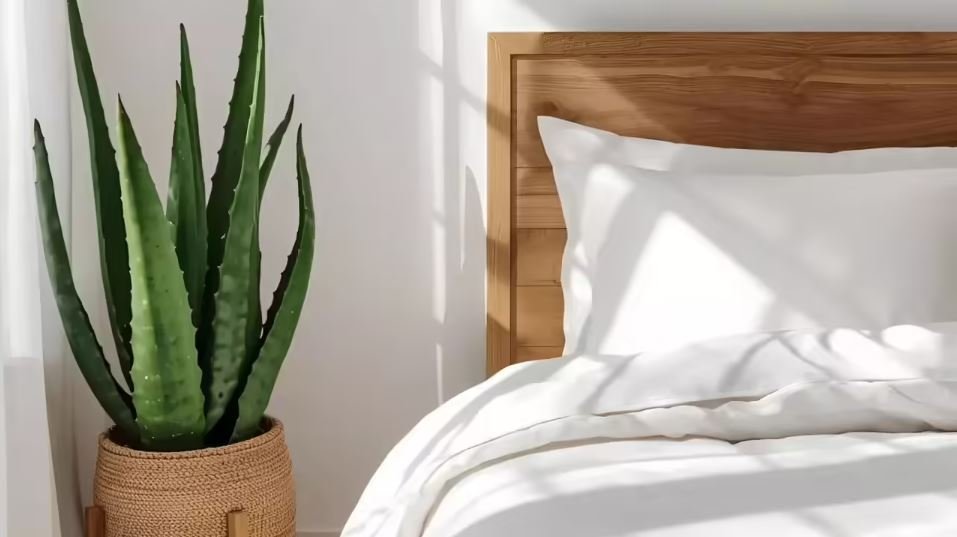
Aloe Vera is a popular houseplant not only for its beautiful foliage, but for its health benefits as well. The soothing gel is widely used in the cosmetic industry to treat skin irritation, minor burns and other skin care issues. In addition to its medicinal uses, Aloe Vera can also improve indoor air quality by helping remove pollutants like Benzene and Formaldehyde. It also releases oxygen, which may contribute to the air quality improvement. Aloe Vera is extremely easy to care for and is very resilient in its requirements, it becomes a beautiful addition in homes, offices and indoor garden spaces with minimal care.
6. Spider Plant
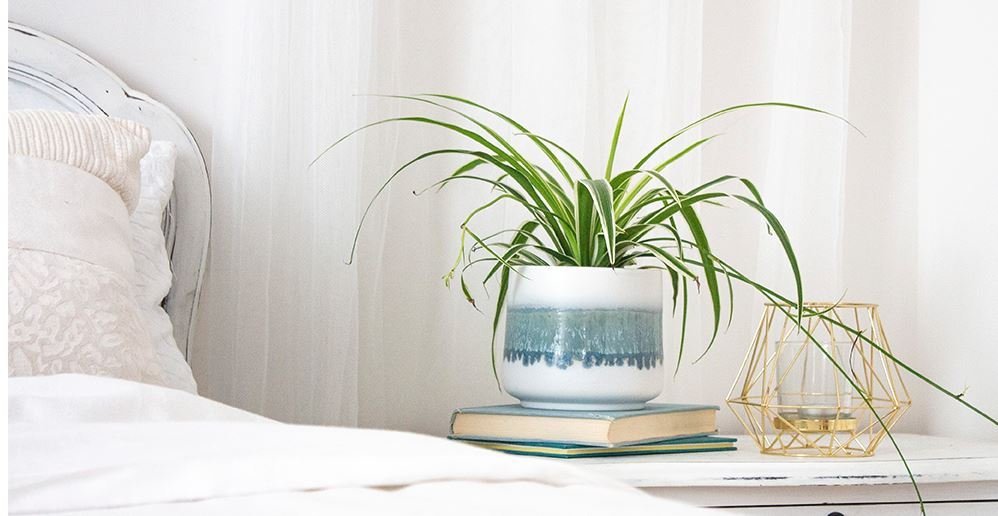
Spider plants are great bedroom oxygen plants for those who prefer a low-maintenance approach to their plants. Very maintenance-free, fairly easy to maintain, and very tolerant of an interior setting. As they grow older, they create small ‘spiderettes,’ making them more beautiful! As one of the top plants to produce oxygen in low light conditions, spider plants are among the best options for an indoor plant and do not enjoy direct light. They will not only lessen levels of air pollution but also remove pollutants from indoor air, such as benzene, xylene and formaldehyde, creating a healthier and fresher environment.
7. Lady Palm
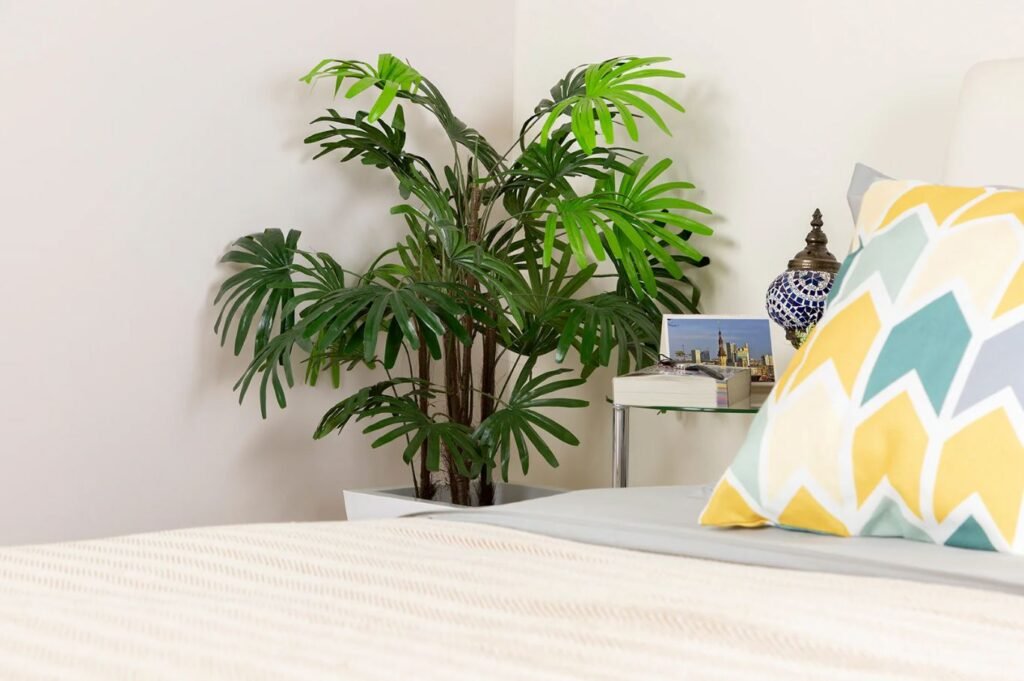
NASA recommends that the Lady Palm be a plant in the home bathroom. Ammonia is most certainly found in cleaning products in the bathroom and having this plant in the home can help remove the toxic gas. If you like to have a nice, long, steamy shower, don’t be concerned, as this plant loves that too. However, watering will not be as often when your lady palm is in the bathroom area as the ambient humidity will make up for your watering.
8. Lavender
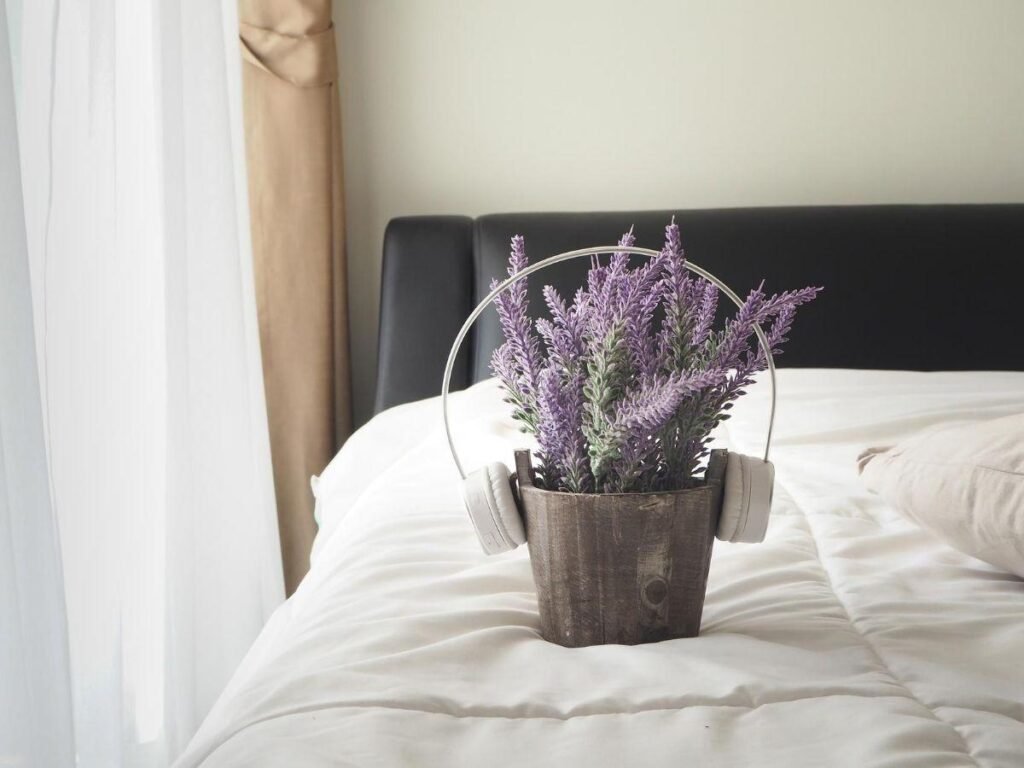
In addition to leaving you sluggish and asleep with its soothing aroma in your bedroom, lavender also releases oxygen while you’re sleeping. Known for its calming properties, it is widely used by sleepers who want to get a good night’s rest, as a relaxing aroma.
9. Rubber Plant
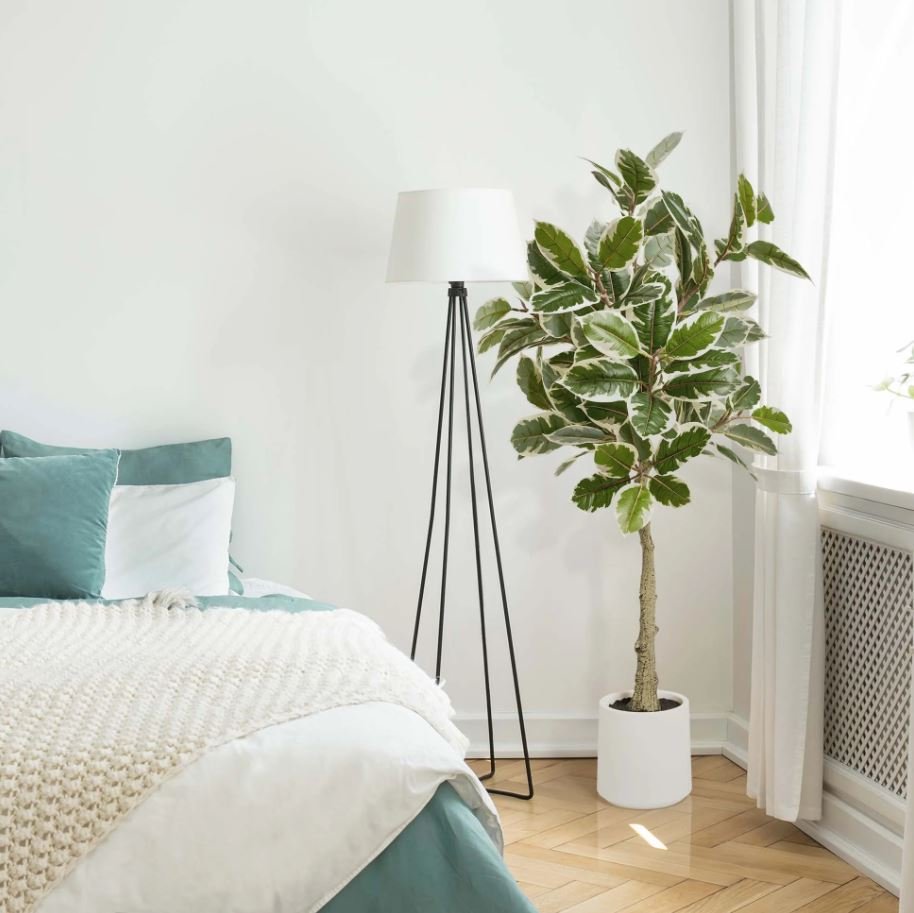
In its case, it does not need much care, it grows easily, and under watering it is better than over watering – this is why the Ficus robusta or Rubber Plant is one of the most popular house plants. NASA, in it’s research, determined the Rubber Plant is the ideal bedroom houseplant because of its extensive, shiny leaves that sequester airborne chemicals and neutralize them. That includes carbon dioxide, which the Rubber Plant converts to breathable oxygen as well as eliminating bacteria and mold spores in the air. This plant can grow up to 2.4m tall so ensure ample room is available in the bedroom.
10. Boston Fern
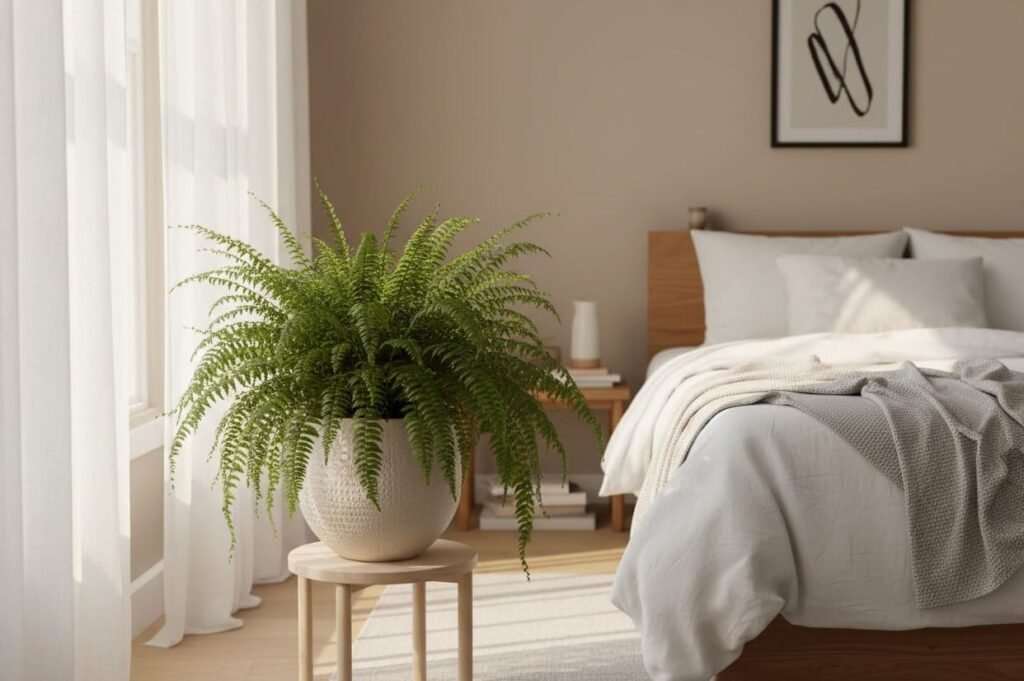
It is one of the best air humidifiers and natural oxygen generators, has a feathery look, and is available in bright colors. Helpful for absorbing formaldehyde, xylene and other pollutants from the air, is an environmental benefit of beneficial moisture to pretty dry spaces. Tolerates no direct sun and requires regular watering. Follow this recommendation: If you plant, use a peat-based potting mix to retain moisture in the soil. Use a humidifier or fogger to help maintain proper humidity levels, or mist often.
11. Bamboo Palm
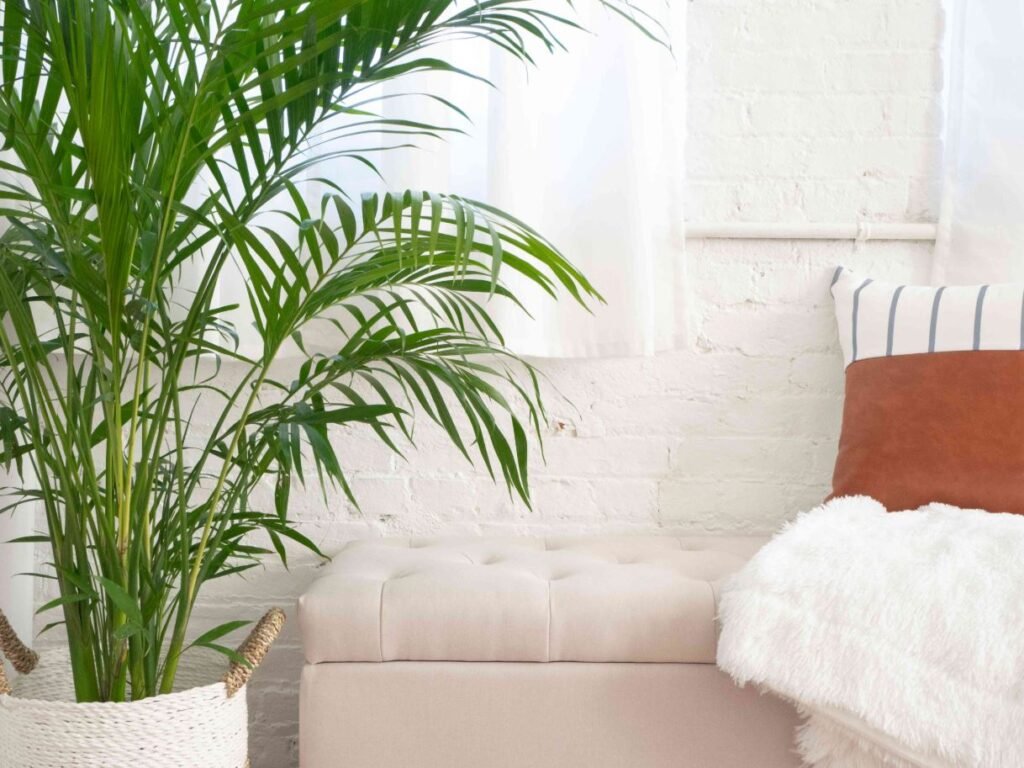
Bamboo Palm makes a great bedroom oxygen plants for design and air purification. The rich green leaves contribute to purifying the indoor air by producing oxygen and offering a fresher and healthier environment for living. This plant also functions as a humidifier naturally, providing moisture to the air and thus improving the comfort in the dry areas, especially. Bamboo Palm does not require much light and can be placed in shaded regions within the house, light rooms or offices. It has a tropical appeal and grace, which adds a sense of beauty and tranquility to the interior.
12. Weeping Fig
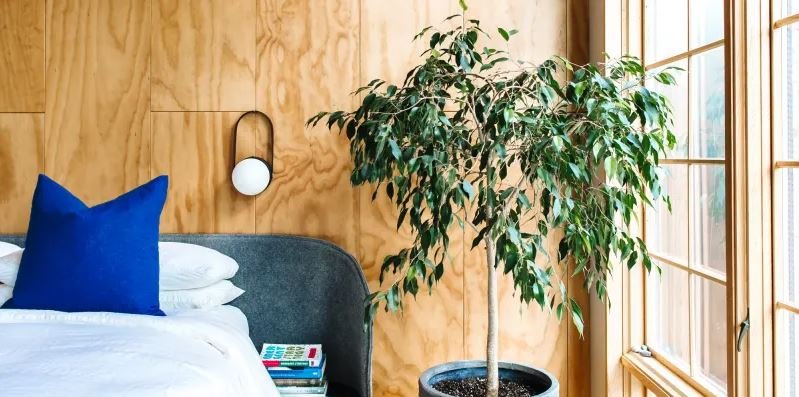
Weeping Fig is an elegant, beautiful tree that has a stunning appearance and glossy green leaves to enhance any living/working space. It is not only used for decoration, but it is also highly valued for its cleansing properties of the air. This indoor plant can help clean the air from some commonly encountered airborne toxins, aiding in a healthier and cleaner environment. The Weeping Fig also dumps oxygen continuously, improving indoor air quality and making it a better environment to live in. It is an excellent choice for homes, offices, or indoor gardens, due to its beauty and its function.
13. Gerbera Daisy
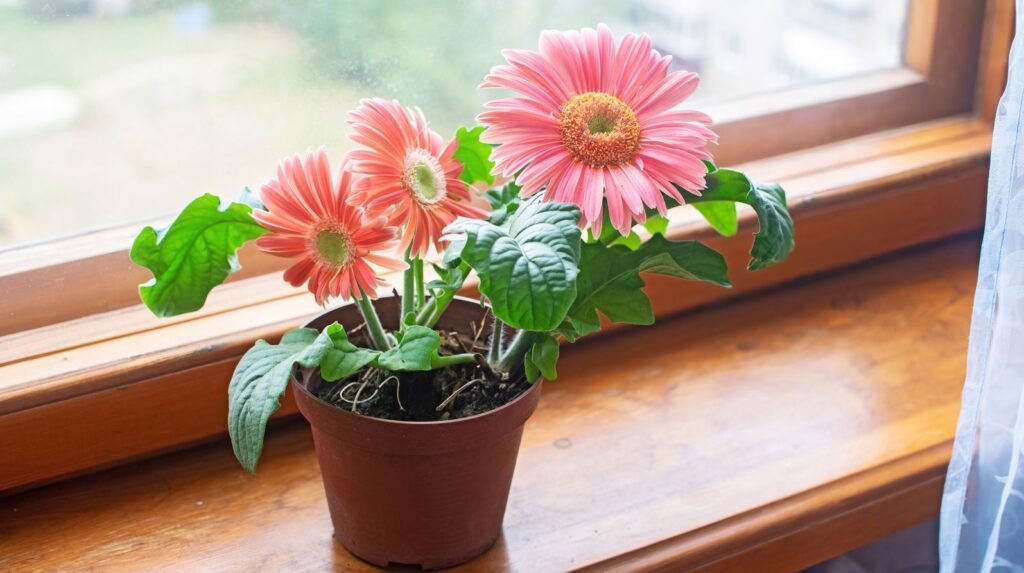
There’s more to the Gerbera Daisy than being a lovely indoor plant to add a splash of color to your room: it is a great air filter as well. One of the finest indoor plants to improve oxygen levels, this beauty will also work its magic at night – add to that a plant that can work its magic for a better night’s sleep, it’s a wonderful option if you have breathing issues.
Not to mention that it eliminates harmful substances such as benzene and formaldehyde from the air. But with all that on top, it’s not just the colors that will make hues pretty; they will also help brighten up your day and cheer you up when you’re feeling stressed out. All you have to do is provide sufficient sunlight and water, and you have what is equivalent to a happy, healthy indoor plant.
14. ZZ Plant
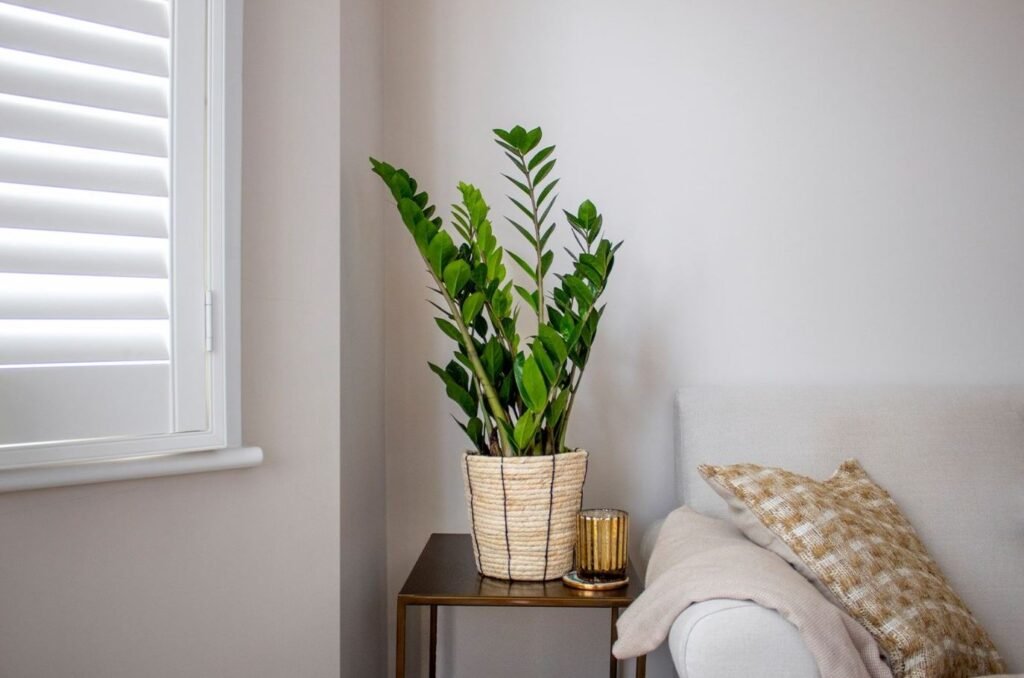
The ZZ Plant is indeed a popular bedroom oxygen plants; it is durable, easy to care for and can thrive in just about any environment. It not only improves the air quality within, but it will also grow in low-light conditions. Beautifully glossy, dark green leaves add to a home and office’s elegant appearance. Low to intermediate indirect light is tolerated, and low watering requirements. Avoid over-watering; only water when dry between waterings. Easily grown and a handsome plant as well, the ZZ Plant is a great addition to the list of plants for busy owners.
15. Tulsi
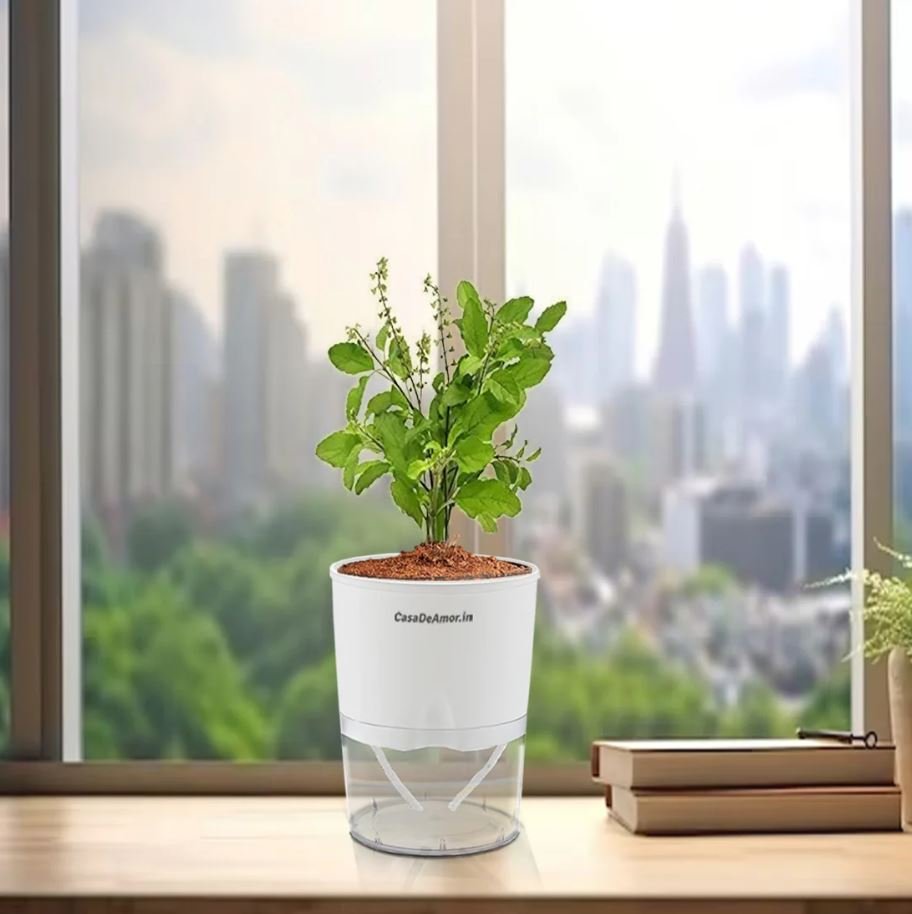
Among all the plants that release oxygen to a maximum extent in the house, the Holy Basil (Tulsi) is one of them. It is an object of worship and has medicinal and cleansing properties for the air throughout India. Tulsi can help to purify the environment and the air inside the house, as it absorbs the harmful substances. This is an easy-to-care-for houseplant that will thrive with moderate watering and is tolerant of bright sun. Its aromatic leaves will over-double the oxygen levels and also will make living space refreshing, healthy, fresher, cleaner, and richer all year round, better.
16. Heartleaf Philodendron
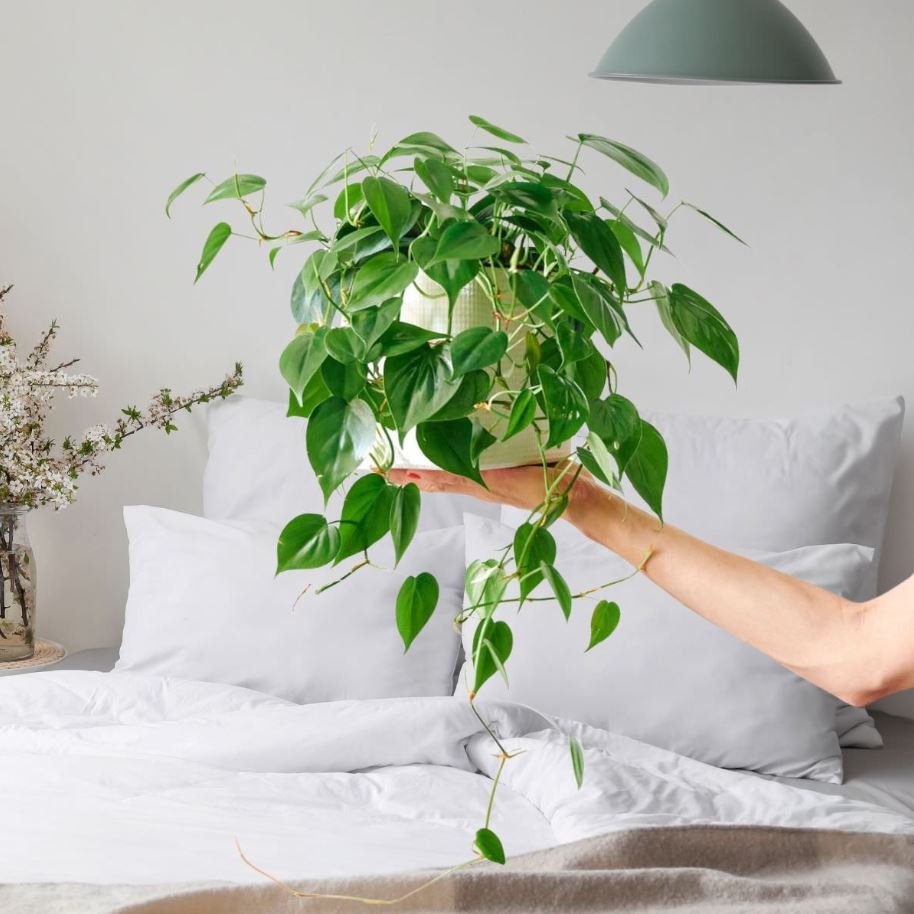
Lush green, shiny, heart-shaped foliage makes this plant a popular indoor plant for bedrooms and living rooms. It is used decoratively but also for skillfully eliminating air contaminants such as formaldehyde. Many believe that it is also linked with fresher and more comfortable surroundings. Philodendrons are easy to take care of, growing in moderate, indirect light and needing water only now and then. However, it should not be used by children and pets due to the toxicity of said leaves on ingestion.
17. Chinese Evergreen
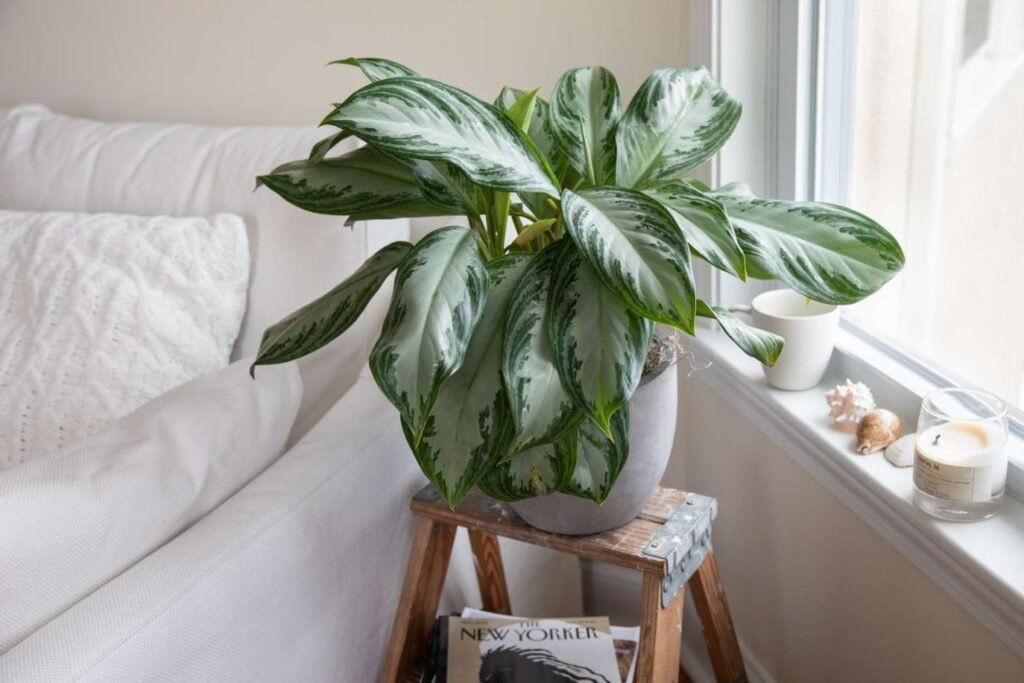
One of the most ubiquitous house plants is also one of the best to introduce high levels of oxygen and remove harmful toxins from the air in your home like formaldehyde & benzene. The Chinese have known this for years, where it’s very popular – hence the plant’s name. It’s great in full shade and only needs to be watered occasionally.
FAQs
1. Are bedroom oxygen plants easy to maintain?
Most plants that grow in bedrooms, like Aloe Vera and Snake Plant, do not demand a lot of water or care and thus are considered as beginner-friendly plants.
2. Which plant gives the most oxygen in a bedroom?
Snake Plant, Aloe Vera and Areca Palm are some of the popular plants used to enhance the level of oxygen and purify the indoor air.
3. Is it good to keep oxygen plants in the bedroom?
Yes, we can find several indoor plants that can help remove toxins, add moisture and make our bedrooms more cosy and restful.
4. Which plants release oxygen at night?
Snake Plant, Aloe Vera, Orchid and Gerbera Daisy will give off oxygen at night.
5. How many oxygen plants should I keep in my bedroom?
Typically, a medium bed is adequate for the number of healthy indoor plants that will add to the ambience of a bedroom.